
Modern sewing machines offer a wide range of stitches, which can be overwhelming at first. But don't worry; each stitch has its own purpose! By getting to know the basics, you’ll quickly gain
confidence and enjoy more freedom in your sewing projects.
Let’s explore the most useful stitches together!
The Main Machine Stitches
Modern sewing machines feature a wide range of various stitches, which means it is not always easy to select the right stitch. We show you the most useful machine stitches here.
The Straight Stitch
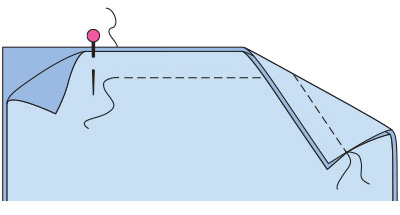
The straight stitch is the most important stitch and should be on every sewing machine. With it, you can carry out all sewing work except for neatening seam allowances.
How do you make gathers using the straight stitch on a sewing machine?
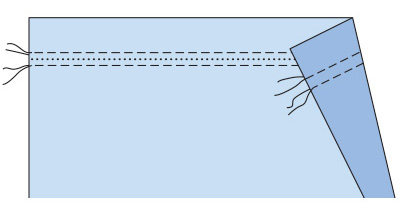
With the straight stitch, you can also gather and ease pieces. To do so, set the longest stitch length on the sewing machine and loosen the upper thread tension a tiny bit. Now stitch parallel to the marked seam line on both sides, but do not secure the seam ends by backstitching.
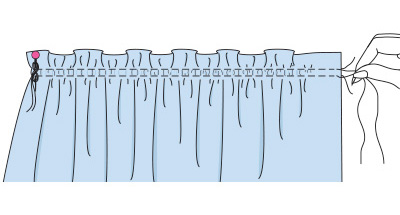
Hold the bobbin threads firmly and push the fabric along the threads until the piece has the required width. You can knot the thread ends or wrap them around a straight pin. Distribute the width evenly, making sure that there are no folds.
The Zigzag Stitch
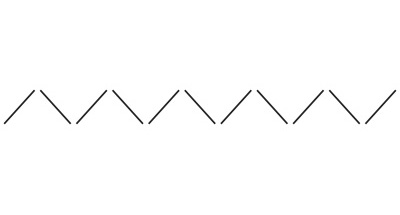
The zigzag stitch can be adjusted in the width and length (distance between stitches). It is mainly used to neaten seam allowances.
A flat zigzag stitch is stretchy at normal stitch lengths and can be used to stitch stretch fabrics such as jersey and knitted fabrics.
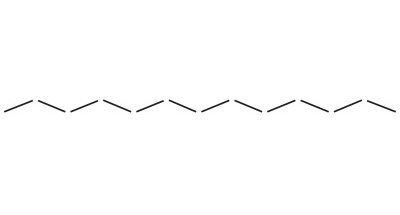
With the triple zigzag stitch, you can sew on elastic and then sew the ends together.
The Blindstitch
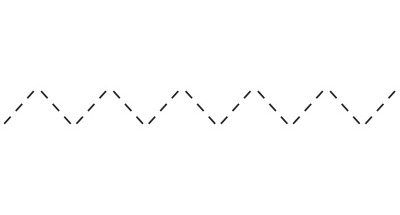
With the blindstitch and a special blindstitch foot, hems can be sewn on invisibly.
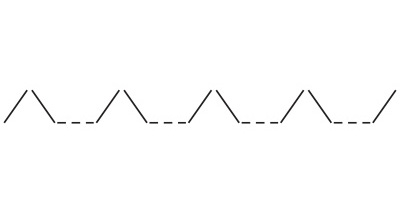
To hem stretch fabrics such a jersey, use the elastic blindstitch.
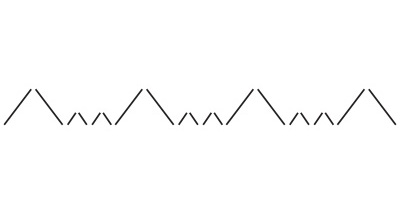
Stretch Stitches for Sewing Stretch Fabrics
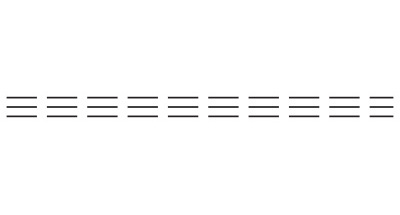
The triple straight stitch is not only stretchy, but it's also extremely stable. It is used to stitch seams that must be particularly stable (for example, the center seam of a pair of trousers).
But proceed with caution: As the seam is triple-stitched, it is very difficult to unpick. Don’t stitch until you are certain that you no longer need to change anything.
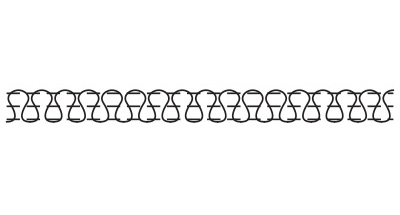
With the overlock stitch, seams in knit fabrics can be stitched and neatened at the same time.
With these essential stitches mastered, you're ready to tackle your sewing projects with ease and creativity. Feel free to test them on fabric scraps before diving in. Happy sewing!
And to find all the sewing basics and beginner-friendly patterns in one single book:
