Welt pockets with flaps, zippers, or single piping allow you to vary the finishes and adapt this classic technique to all styles of clothing. Whether you want an elegant look on a tailored jacket, a sporty effect with a zipper, or a minimalist touch with single piping, these variations offer many creative possibilities.
In this article, discover step-by-step how to make these three types of pockets, with tips and diagrams for a neat and professional result.
And for inspiration, discover our selection of jackets and blazers to sew—the perfect designs to showcase these refined finishes!
✄ - - - - - - - - - - - - - - - - - - - - - - - - - - - - - - - - - - - - - - -- - - - - -
Welt Pocket With a Flap
This pocket is mainly used on classic jackets and coats. To ensure that the flap can be pushed between the welts, it must be a few millimetres shorter than the pocket opening.
First make a welt pocket, but stop before the step where you stitch the fabric pocket pouch. Insert the finished flap between the welts and baste it to the upper welt (1). Now pin the fabric pocket pouch to the seam allowance of the flap and the upper welt from the inside and stitch as for the classic welt pocket. Stitch the pocket pouches together and the pocket is finished.

Welt Pocket With a Zipper
This is the sporty variant of the welt pocket. First make a welt pocket, but stop before the step where you attach the pocket pouch. After basting the zip fastener underneath the welt, stitch the pocket pouches as explained under the classic welt pocket and catch the zip fastener tapes. In the last step, stitch the pocket pouches together.
Single Welt Pocket
This pocket only has one welt. If the welt is wider than 2 cm (¾ in), the pocket is also called a set-in slash pocket.
Per pocket, cut out a fabric strip (= the welt) that is 2 x as wide as the finished welt plus a 2 cm (¾ in) seam allowance and approx. 3 cm (1 ¼ in) longer than the finished pocket. You will also need two pocket pouches, one cut from fabric and the other from lining.
The welt joining line, slash line and pocket pouch joining line are all drawn on burda patterns. Sometimes the pocket pouch is also drawn on the pattern. In the event, copy it 2 x as an extra pattern piece – once up to the pocket pouch joining line (fabric pocket pouch) and once to the welt joining line (lining pocket pouch).
First, use burda tracing paper to transfer the welt joining line, slash line and pocket pouch joining line to the wrong side of the fabric. To ensure that the lines are also visible on the right side, use basting thread to make a running stitch along the lines.
To reinforce the pocket opening, iron a strip of interfacing onto the pocket marking from the wrong side.
Just like the welt pocket, there is a classic method and a faster method.
Classic Method
Pin the welt strip to the marked welt joining line, right sides together, and the fabric pocket pouch to the marked pocket pouch joining line, right sides together (2).

From the wrong side of the fabric, stitch the welt and pocket pouch at the marked joining lines. Slash along the slash line and clip at an angle toward the seam ends to create small triangles (3).
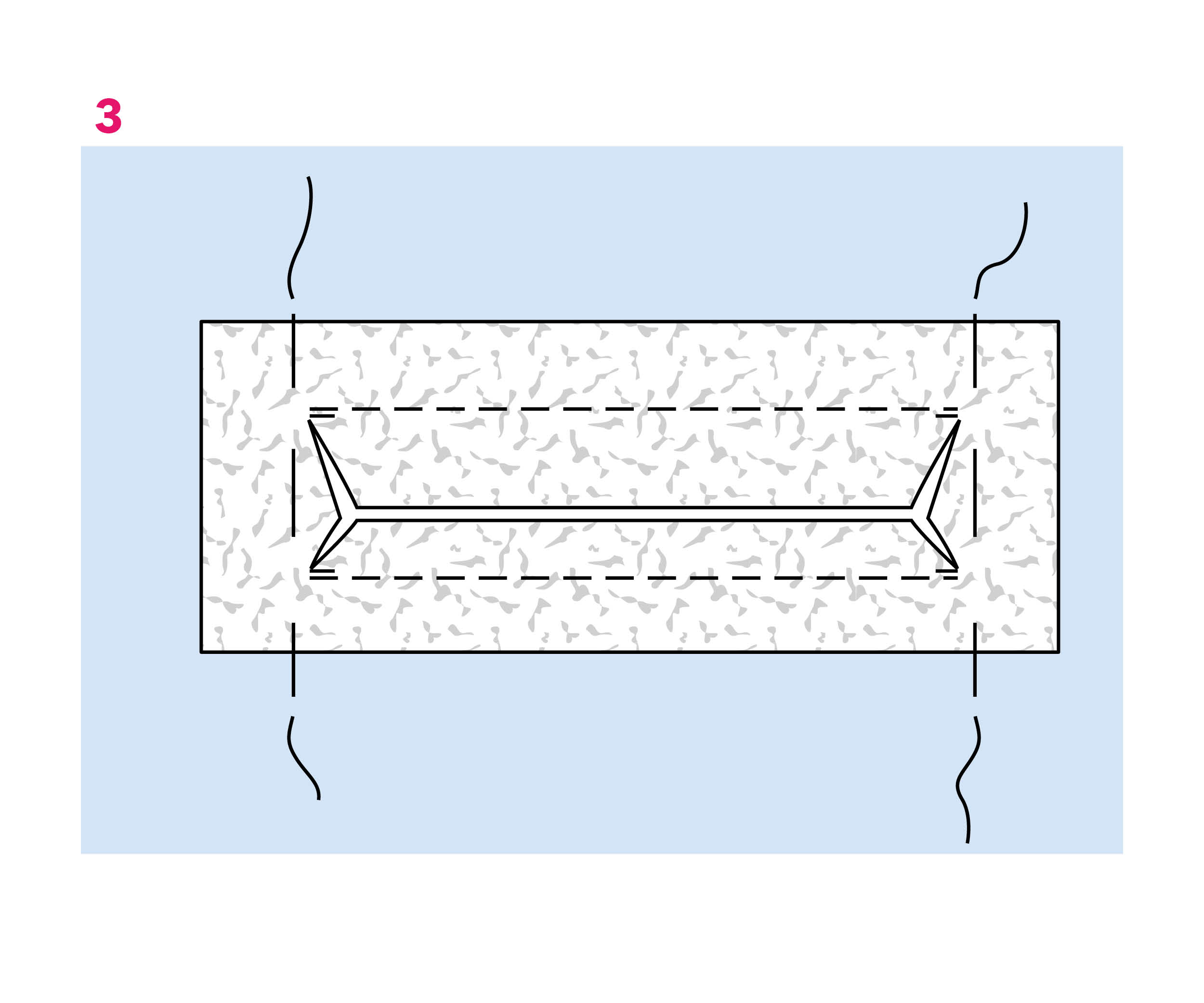
Do not catch the welt or pocket pouch when making the slash/clipping. If necessary, trim the allowances of the pocket pouch joining seam to 1 cm (3/8 in). Turn the pocket pouch to the inside and place the welt strip over the slash, pointing upward. Press the seam allowances of the pocket pouch joining seam upward and those of the welt joining seam apart. Fold the welt strip to the inside and baste, making sure it is wide enough to meet the fold of the pocket pouch joining seam (4).
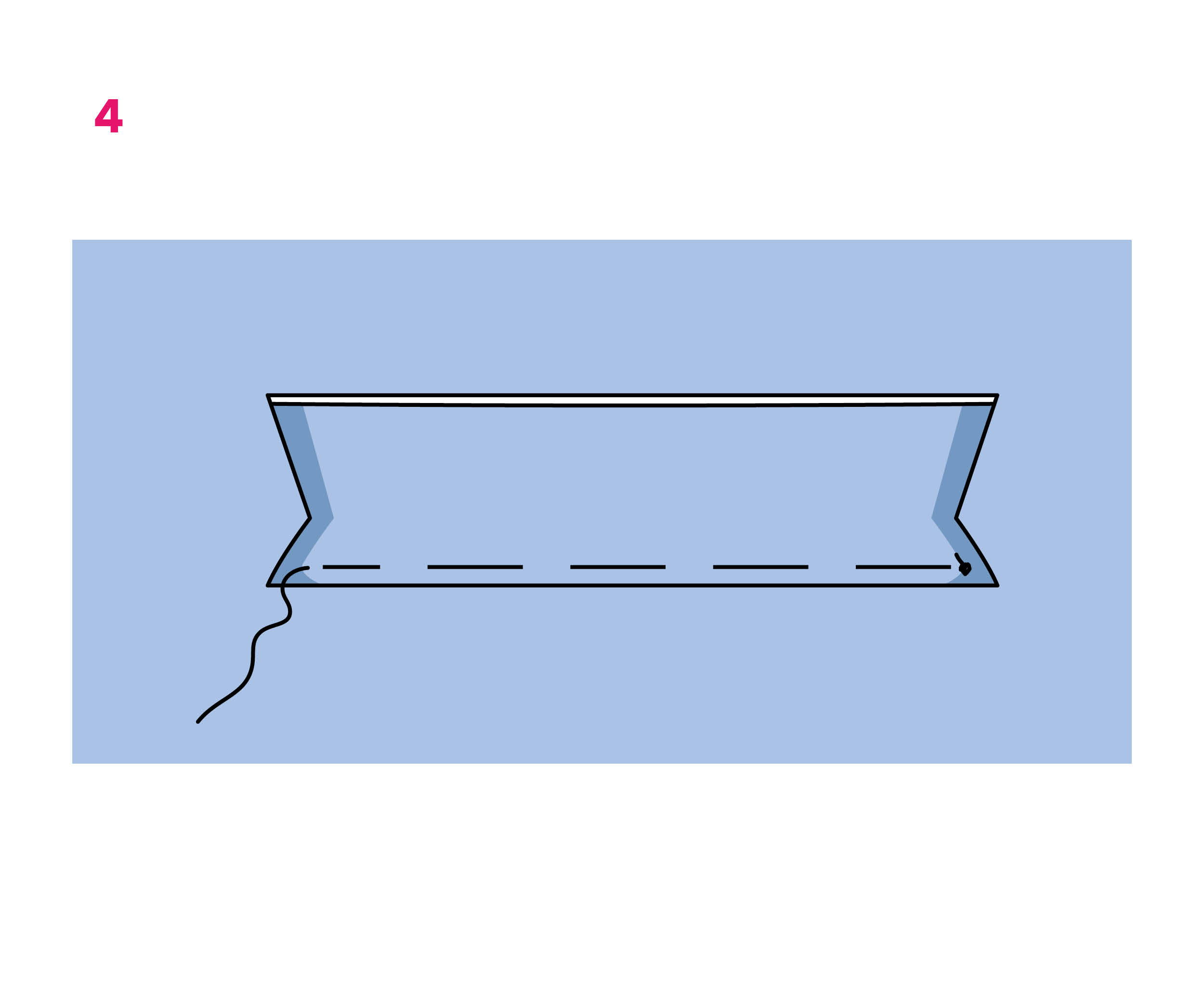
Press. Pull the welt ends to the inside. Fold the small triangles at the slash ends to the inside and stitch along the welt from seam end to seam end. Avoid catching the fabric pocket pouch (5).

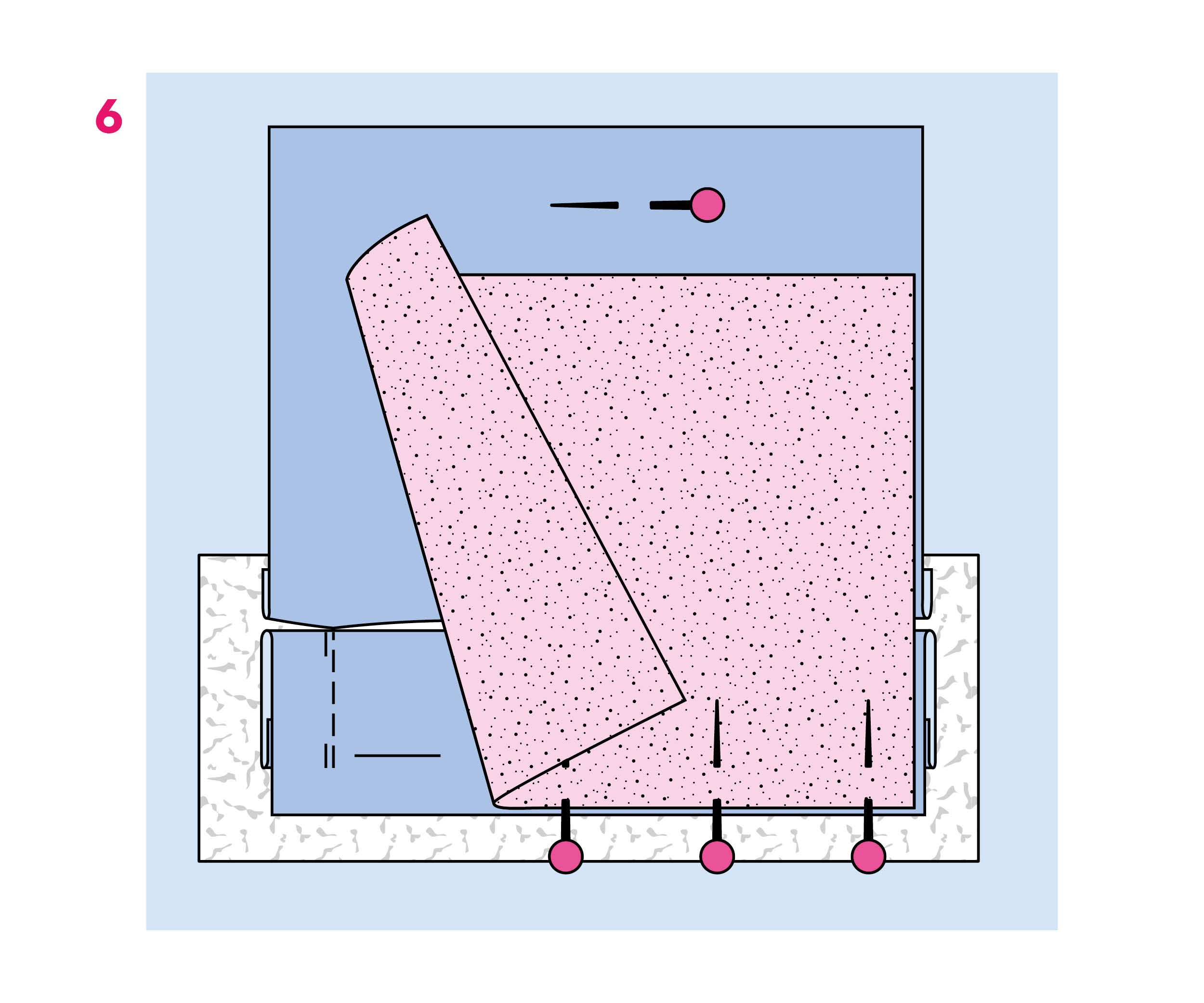
For best results, fold the fabric pocket pouch upwards and pin it in place. Pin the lining pocket pouch to the joining seam of the welt from the inside (6).
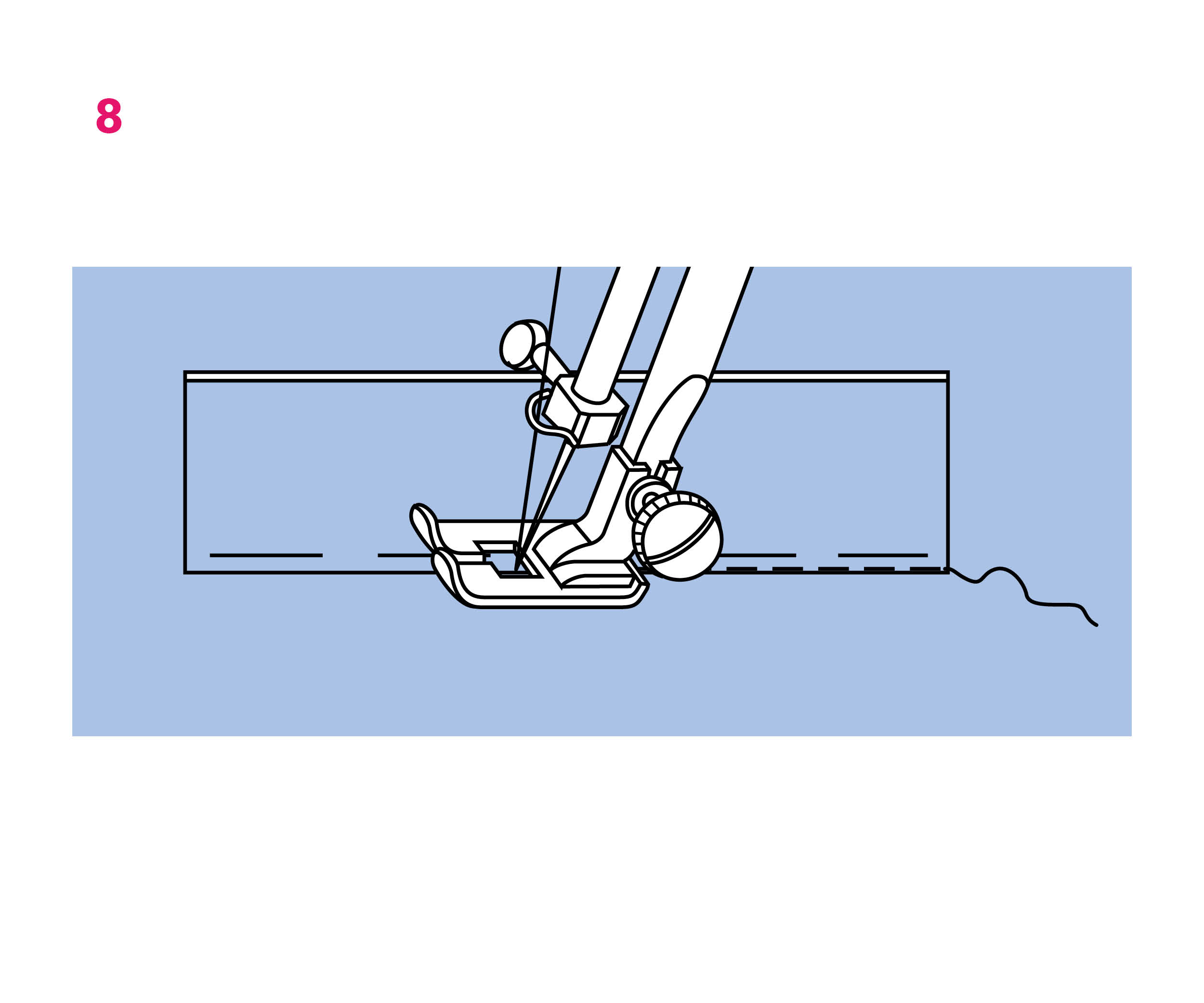
Using the one-sided edge stitching foot, stitch the lining pocket pouch to the seam allowance of the welt joining seam (7) or from the right side, exactly along the welt joining seam (8).

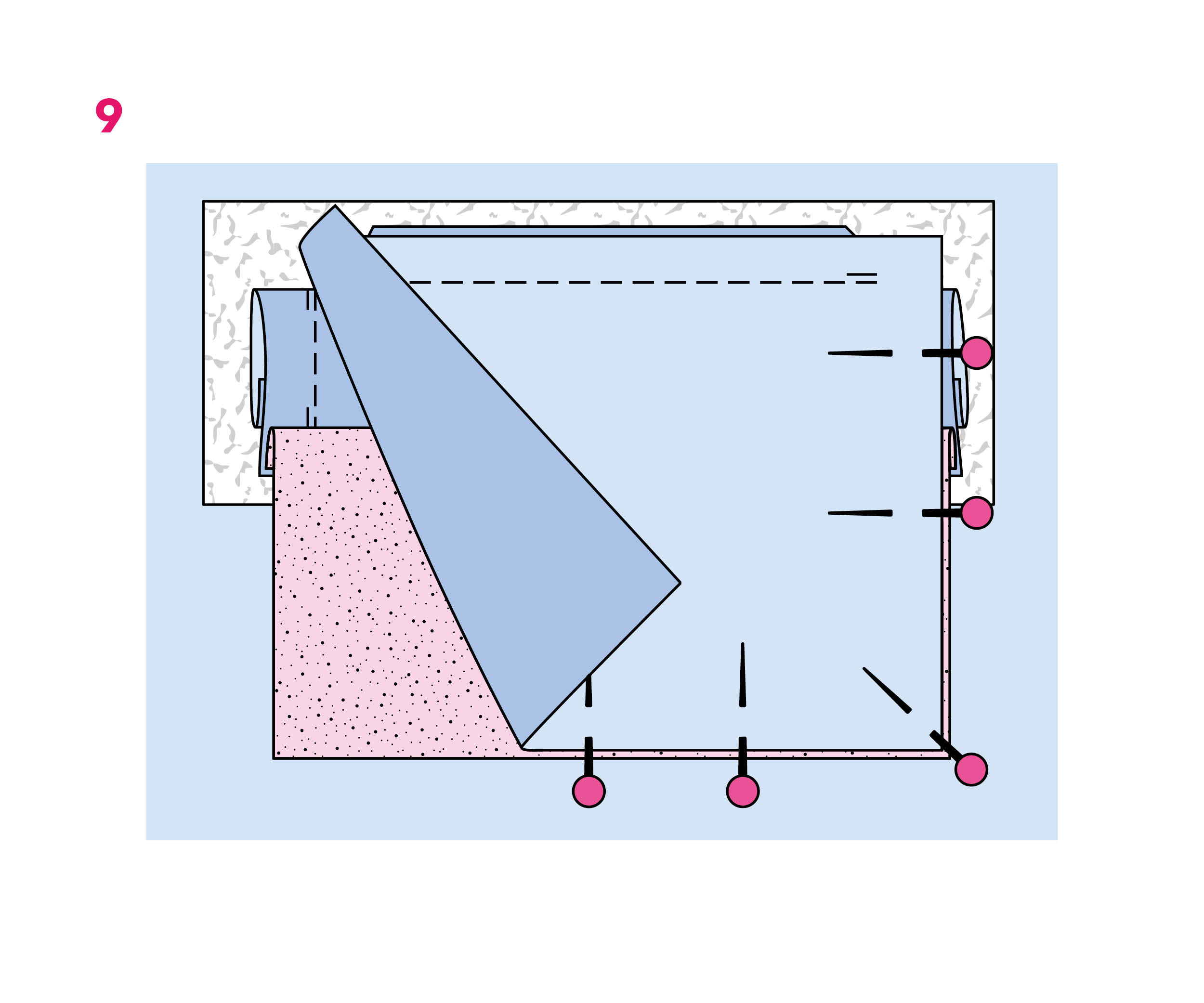
Press both pocket pouches downwards. Cut the pocket pouches evenly and pin together (9). From the lining pocket pouch, stitch the pocket pouches together.
TIP
If the welt is wider than 1 cm (3/8 in), use thin interfacing to reinforce the welt strip.
Faster Method
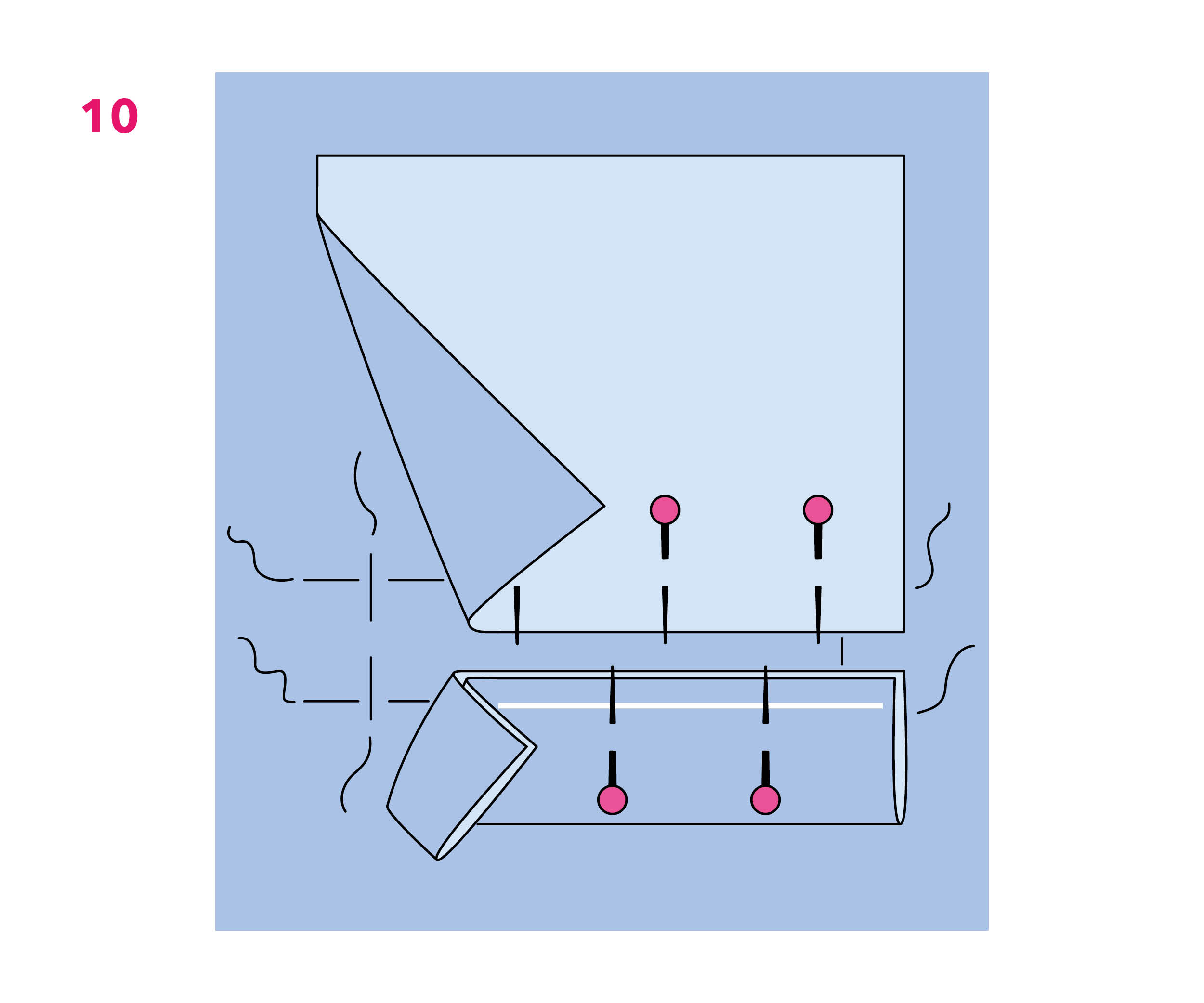
Fold the welt strip in half lengthwise, wrong sides together. Press. Baste the open edges together. Use tailor’s chalk to mark the joining line next to the fold edge = finished welt width. Pin the welt right sides together such that the joining lines match. Pin the fabric pocket pouch to the pocket pouch joining line, right sides together (10).
From the wrong side of the fabric, stitch the welt and pocket pouch along the marked joining lines. Slash along the slash line and clip at an angle toward the seam ends to create small triangles (see drawing 3). Do not catch the welt or pocket pouch when making the slash. Trim the allowances at the pocket pouch joining seam to 1 cm (3/8 in). Pull the pocket pouch to the inside. Place the welt over the slash, pointing upwards. Press the seam allowance of the pocket pouch joining seam upwards and that of the welt joining line downwards. Now stitch the pocket as explained for the classic welt pocket.
Important: To prevent the seams from opening, always backstitch to secure the beginning and end.
Mastering the different types of welt pockets, whether they have a flap, a zipper, or single piping, will allow you to add a personalized and professional touch to all your creations. These finishes require precision, but they truly transform the look of a garment.
Feel free to test each version on scraps of fabric before incorporating them into your projects: the more you practice, the more natural these techniques will become. It's up to you to play with styles and details to create unique pieces that reflect your personality!
And to find all the sewing basics and beginner-friendly patterns in one single book: