The welt pocket is an elegant and technical sewing detail often used in smart, stylish attire such as jackets, pants, and coats. It adds a refined and professional finish to any creation. While it may seem intimidating at first, the secret of the welt pocket is revealed with a little precision and method. In this article, we guide you step by step through the two main assembly techniques—the classic method and the dressmaking method—so you can make your piped pocket like a true pro!
And to take it a step further, discover our selection of coats to sew—perfect patterns for putting this technique into practice and enhancing your fall-winter creations.
✄ - - - - - - - - - - - - - - - - - - - - - - - - - - - - - - - - - - - - - - -- - - - - -
Welt Pockets
Your fabric needs to be slashed for this pocket. But don’t worry: it is easier to make a welt pocket than it looks at first glance. For best results, you must stitch the welts very precisely. Per pocket, cut out two strips of fabric on the straight grain or the bias for the welts: 4 x as wide and approx. 3 cm (1 ¼ in) longer than the finished pocket opening. You will also need two pocket pouches per pocket—one cut from fabric and the other from lining.
The welt joining lines and slash line are drawn on Burda patterns. First, use tracing paper to transfer the lines to the wrong side of the fabric. To ensure that the slash line is also visible on the right side, baste along the line with long running stitches. Baste to transfer the slash ends to the right side of the fabric.
There are two methods for making bound pockets with welts: the classic method, in which the welt is added after stitching, and the somewhat faster method with pre-pressed welts.
Here’s how to make a classic welt pocket...
To reinforce the pocket opening, iron an approx. 4 cm (1 5/8 in) wide strip of interfacing onto the pocket marking from the wrong side. Use tailor’s chalk or a soft pencil to exactly draw the slash line, slash ends and welt joining lines on the interfacing. The distance from the welt joining line to the slash line = finished welt width. Pin the welts right sides together such that the edges and the marked slash line meet, letting the ends extend equally on all sides (1).

From the wrong side, stitch the welts exactly along the marked joining lines, finishing exactly at the ends. Secure the seam ends. Remove the basting thread. Slash between the lines of stitching, beginning and ending approx. 1.5 cm (5/8 in) before the ends of the welt joining seams. Slash at an angle to the seam ends to create small triangles (2).

Do not catch the welts. Pull the welts to the inside through the slash. Press the allowances of the welt joining seams apart (3).

Place the welts over the seam edges and baste such that the welt is the same width and it fills the slash. Press. Baste the welt edges together with herringbone stitches (4).

Fold the small triangles at the slash ends to the inside and stitch exactly on the welts from seam end to seam end (5).

From the inside, pin the lining pocket pouches to the lower welt (6).

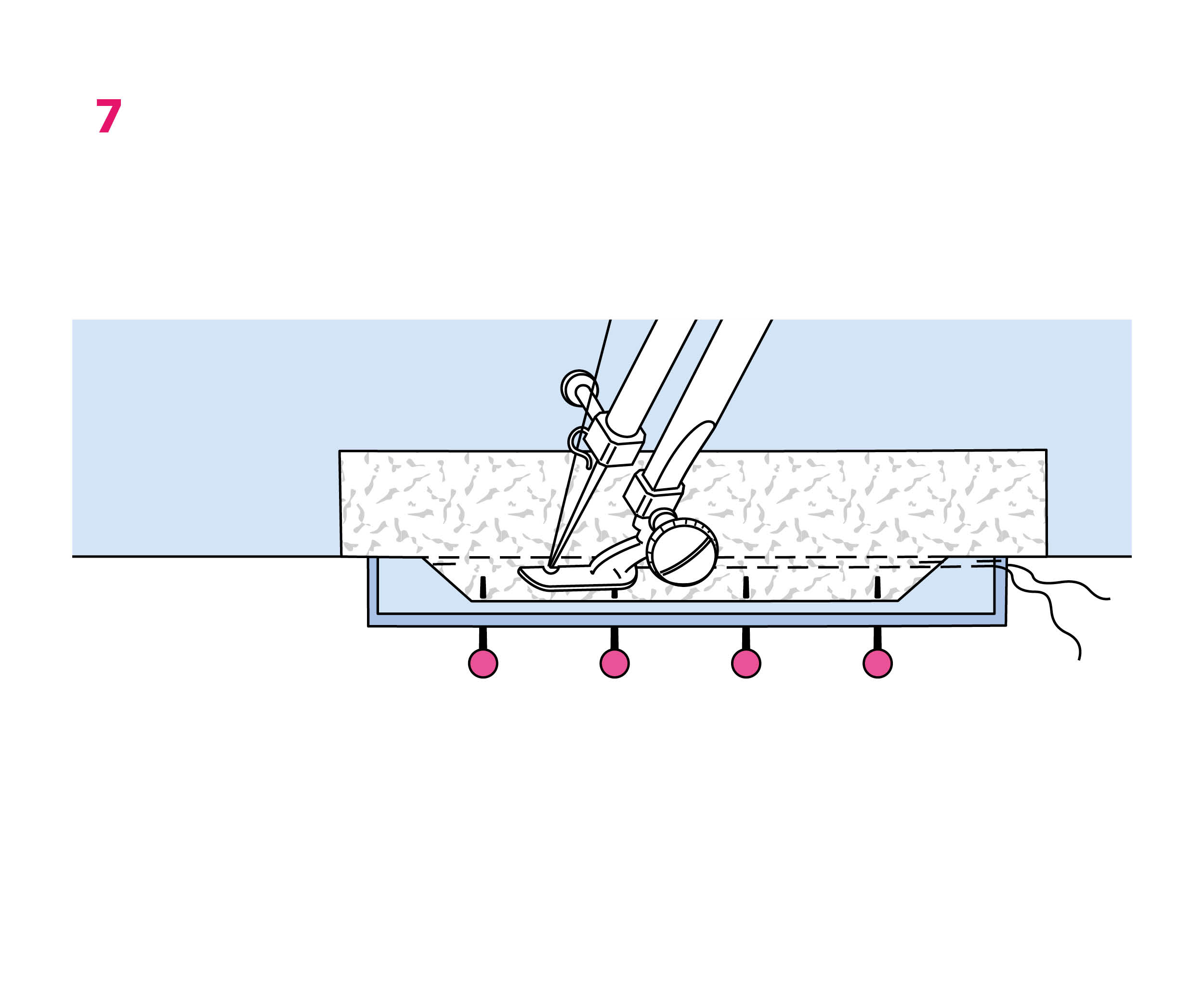
Now stitch the pocket pouch from the inside with the one-sided zipper foot right next to the joining seam on the seam allowance of the welt (7) or from the right side, exactly in the joining seam of the lower welt (8).

Press the pocket pouch downwards. Pin the fabric pocket pouch to the upper welt right sides together (9), and stitch as explained for the lining pocket pouch. Pin the pocket pouches together, trim evenly and stitch from the lining pocket pouch.

...and this is the somewhat faster method
To reinforce the pocket opening, from the wrong side iron an approx. 4 cm (1 5/8 in) wide strip of interfacing onto the pocket marking. Use tailor’s chalk or a soft pencil to exactly draw the slash line and slash ends on the interfacing. On both sides of the slash line, mark the placement lines at 2 x the welt width. Use basting thread to transfer these lines to the right side of the fabric or draw the placement lines from the right side using magic chalk. Fold the welts in half lengthwise, wrong sides together. Press. Use magic chalk to mark the joining line next to the fold edge = finished welt width. Pin the welts right sides together such that the fold edges and the marked placement lines meet, letting the ends extend equally on all sides. The open welt edges point to the slash line. Mark the ends of pocket on the welts (10).

Stitch the welts to the marked joining lines, finishing exactly at each end (not one stitch longer or shorter). Slash between the lines of stitching, beginning and ending approx. 1.5 cm (5/8 in) before the ends of the welt joining seams. Slash at an angle up to the last stitch to create small triangles. When slashing, do not catch the welts (see drawing 2). Press the welts toward the slash and press the seam allowances upwards or downwards (11).

Use herringbone stitches to baste the welt together. Fold the small triangles at the slash ends to the inside and stitch along the welts from seam end to seam end (12). Now stitch the pocket pouches as explained for the classic welt pocket.

Important: To prevent the seams from opening, always backstitch to secure the beginning and end.
Welt pockets require precision and attention to detail, but the result is well worth the effort. Once mastered, this technique opens the door to impeccable finishes and garments worthy of the finest bespoke tailoring. Don't hesitate to practice on fabric scraps before embarking on your final project: with a little practice, you'll find that this elegant pocket holds no secrets for you!
And don't miss out on our blog article: Sewing Techniques With Burda: How to Sew A Pleated Skirt?
And to find all the sewing basics and beginner-friendly patterns in one single book: