When you’re new to sewing, the overlock machine can be a bit of a mystery. It looks different from a regular sewing machine yet promises neat, professional finishes. By trimming, stitching,
and overcasting all in one step, it can save time and keep your seams clean. Learning how it works and when to use it will help you decide if it’s worth adding to your sewing space from the very
beginning.
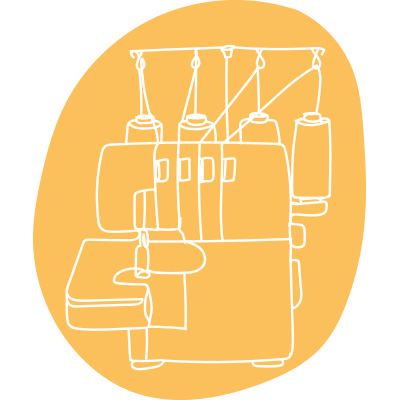
Overlock Machines (Sergers)
You can immediately recognise overlock machines, also called sergers, by their different look. They combine the sophisticated technology used by household and industrial sewing machines.
The selection of overlock machines is very large, but they all have stitch variability in common and strive for perfection. The fine, often very small difference is in the equipment. Depending on type and manufacturer, they come with up to five separate threads and various types of stitches. Each type of stitch can be systematically used and always delivers a distinctive stitch pattern.
Overlock machines are the ideal supplement to sewing machines. They can be used to neaten edges as perfectly as those of industrial garments, and they stitch seams, trim seam allowances and neaten them in one step. Overlock seams are stretchy and therefore yield perfect seams for all elastic and stretchy fabrics.
Overlock Machine Features
What can overlock machines do? Everything at once!
With each stitch, they take care of several steps: they stitch two pieces of fabric together, trim allowances, and neaten the edges—all at the same time. Some machines even automatically make hems. The seams of an overlocker are extremely robust and flexible. Thanks to their even fabric feed, they can effortlessly process transparent, lightweight, or stretchy materials.
Overlock feed: The machine feeds through the fabric by means of the harmonious interplay of the feed dogs, needle plate, and presser foot. Machines that feature a differential feed prevent the seams from stretching and puckering.
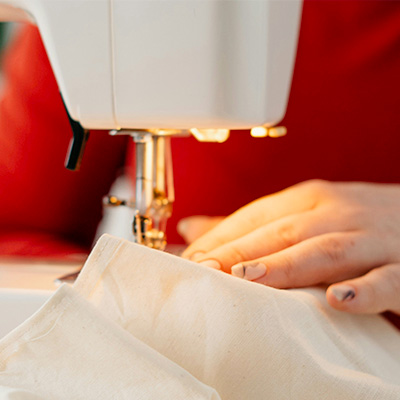
Knife: The moving upper blade and the stationary lower blade are guided against each other like scissors in rhythm with the needle movement. When they meet, they cut the fabric while the machine is stitching.
Loopers: The upper and lower loopers guide one thread each: they both take on the task that a bobbin does. As you sew, the threads are looped around each other, but only the needle thread is guided through the fabric.
Stitch finger: Depending on the model, overlockers have one or two stitch fingers around which the thread wraps to form the overlock stitches. A stitch finger comprises two needlelike pieces that are attached at the side of the needle plate’s inner edge. Some machines have an extra stitch finger on the presser foot.
Getting comfortable with an overlock machine is a step up in both the strength and neatness of your projects. While it won’t replace your regular sewing machine, it’s an excellent companion for faster sewing and cleaner results. Once you’ve mastered it, you’ll wonder how you ever managed without it.
And to find all the sewing basics and beginner-friendly patterns in one single book: