Whether you're working with jersey, wild silk or heavy-duty upholstery fabric, each material requires the right stitch to achieve a clean and strong result. Thanks to modern overlock and coverstitch machines, professional finishes are now within reach—right from your home. Let’s explore the most useful overlock and cover stitches and how to choose them for your sewing projects.
Types of Stitches and Their Use
4-thread overcast stitch: (1)
For sewing all materials together and neatening at the same time. Particularly suitable for working with jersey, knitted and stretch fabrics.
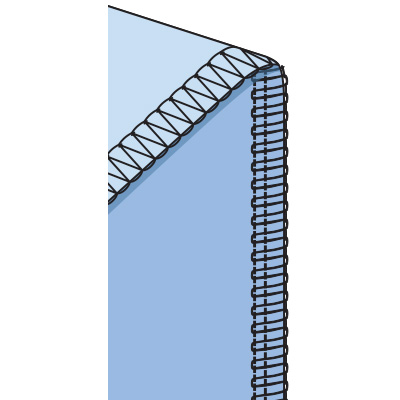
5-thread safety stitch: (2)
The classic industrial seam! For sewing thick materials together for seams and edges that must be extremely robust and neatening at the same time. Yields a seam that is highly robust and particularly good for work clothing, heavy interior decoration fabrics such as upholstery fabrics, and also for children’s clothing.
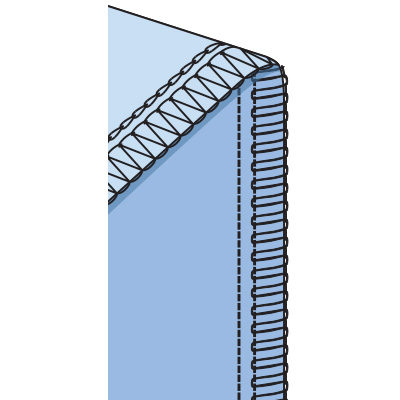
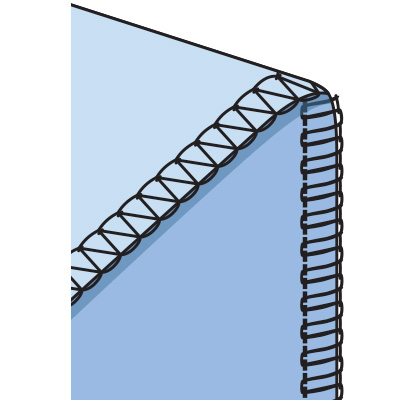
3-thread overcast stitch, narrow: (3)
Excellent for neatening lightweight, fine fabrics, but is also ideal for materials that easily fray.
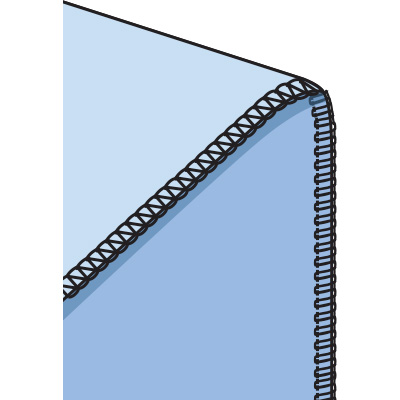
3-thread overcast stitch, wide: (4)
For neatening thick fabrics but also for medium-heavy fabrics that easily fray, such as linen and wild silk.
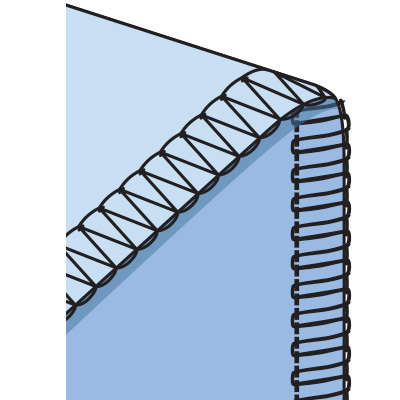
3-thread rolled hem: (5)
Decorative edge finish for narrow seams and hems. Primarily used for neatening lightweight to medium-heavy fabrics.
The cover stitch (6 + 7)
This is used for stitching hems and creating decorative seams.
The broad cover stitch (6)
This is the perfect hem finish for t-shirts, sweatshirts, sportswear garments and other models made from stretch fabrics. It has also proven its worth for binding necklines and evenly applying elastic.
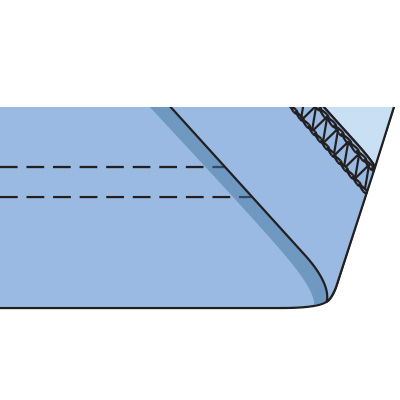
The narrow cover stitch (7)
Is useful for very narrow hems, working with very fine materials and stitching tucks.
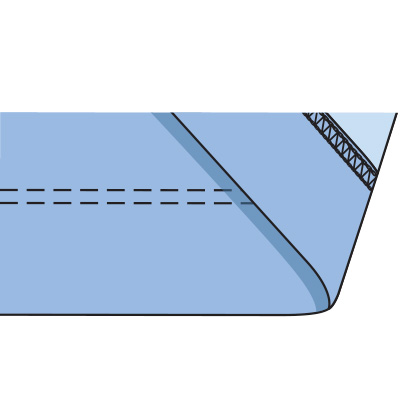
Chain stitch: (8)
For stitching hems. Also suitable for decorative seams (the chain is formed on the bottom of the fabric). Ideal for stitching woven fabrics.
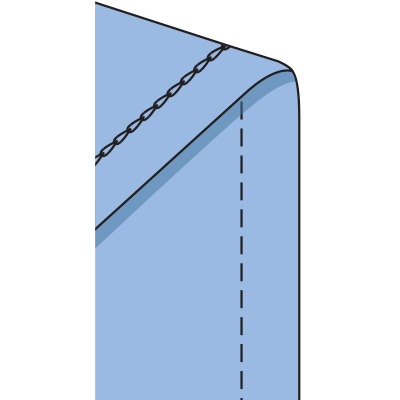
Triple cover stitch: (9)
For best results, use the triple cover stitch when working with highly elastic materials. It can also create a purely decorative seam.
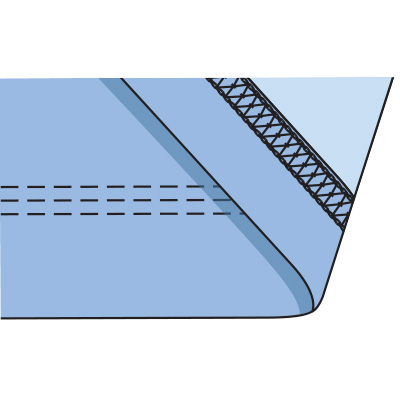
The 2-thread flatlock stitch, broad (10)
Is used to sew fabric together and for hems. It is perfect for working with medium-heavy and stretchy materials. The 2-thread flatlock stitch is also a decorative edge finish.
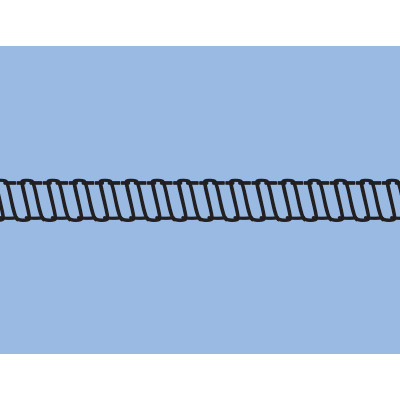
Choosing the right stitch for the fabric is essential to achieve a polished and lasting result. Don’t hesitate to test your settings on scrap fabric and experiment with decorative finishes. Once mastered, these stitches will give your garments a truly professional touch.
And to get all the basics of sewing and patterns designed for first projects in one book: